

Southeast Asia
Thailand
Golden temples, jungle and elephants, street food and impossibly blue islands.
- Bangkok
- Chiang Mai
- Elephants
- Andaman islands
- Street food
- Ancient temples
Thailand is the perfect introduction to Asia: easy, cheap, ridiculously friendly and endlessly varied. These routes follow the classic backpacker arc — chaotic Bangkok, the temples and mountains of the north, and the beaches of the south — and extend to ancient capitals, jungle lakes and quieter islands as you add days.
Build your trip
Tune it to you, then export it.
Length
Travel style
Your interests
The essential first taste: chaotic, golden Bangkok, the ancient ruins of Ayutthaya and the temples and elephants of Chiang Mai.
Daily budget:≈ €50–100 / day
Comfortable hotels and beach bungalows, restaurant meals, the odd domestic flight and day tours.
Day by day
- 1

Bangkok's skyline and rooftop bars.© Fernando Garcia · CC BY 3.0 
Yaowarat: Bangkok's neon street-food heaven.© Deepak-nsk · CC0 Get from the airport into the city (the Airport Rail Link or a Grab is easiest), drop your bags and let Bangkok hit you: tuk-tuks, neon, the smell of grilling satay. Ease in with a rooftop view and a street-food dinner in buzzing Chinatown (Yaowarat).
Bangkok overwhelms on purpose — heat, horns, gold temples and street stalls all at once — and somewhere on that first humid night, dodging scooters with a plate of pad thai, it clicks and you fall for it.
Our take
Don’t plan anything demanding tonight. Use the BTS Skytrain and Grab rather than fighting traffic, and learn one rule fast: agree the tuk-tuk price before you get in.
Highlights
- ✦ Chinatown street food
- ✦ Rooftop bar at sunset
- 2

The dazzling Grand Palace and Wat Phra Kaew.© Nawit science · CC BY-SA 4.0 
Wat Pho's 46-metre golden Reclining Buddha.© Diego Delso · CC BY-SA 3.0 Wat Arun glowing over the river at dusk.© Diego Delso · CC BY-SA 3.0 Hit the big three early: the glittering Grand Palace and Wat Phra Kaew, the giant golden Reclining Buddha at Wat Pho, and — across the river by ferry — the spire of Wat Arun, best at sunset. Cool off with a foot massage between temples.
Wat Pho’s Reclining Buddha is 46 metres of serene gold you can barely fit in a photo, and as the sun drops behind Wat Arun’s porcelain spire across the river, Bangkok briefly turns from chaos into something almost holy.
Our take
Go to the Grand Palace right at opening to beat the heat and crowds, and dress respectfully (shoulders and knees covered) or you won’t get in. Ignore anyone outside saying it’s “closed today” — it’s a classic scam.
Highlights
- ✦ Grand Palace
- ✦ Wat Pho Reclining Buddha
- ✦ Wat Arun at sunset
- 3

The Buddha head in tree roots at Ayutthaya.© Brian Chun (Funwithbchun) · CC BY-SA 4.0 Getting there: Train or minivan Bangkok → Ayutthaya (about 1h30m)
Escape the city to Ayutthaya, the ruined former capital sacked in 1767 and now a UNESCO park of brick temples and headless Buddhas. Rent a bicycle and pedal between the prang towers, ending at the famous Buddha head wrapped in tree roots.
Three hundred years ago Ayutthaya was one of the biggest cities on earth; today you cycle alone between toppled temples as the light turns golden, and that single Buddha head cradled by tree roots feels like the jungle quietly reclaiming an empire.
Our take
Go independently by train and rent a bike there — it’s cheaper and far nicer than a rushed bus tour. Start early or late; the midday sun on the open ruins is fierce.
Highlights
- ✦ Buddha head in tree roots
- ✦ Cycling the temple ruins
- 4

Chiang Mai's old-city temples.© Jakub Hałun · CC BY-SA 4.0 
Chiang Mai's buzzing night market.© Takeaway · CC BY-SA 4.0 Getting there: Short flight Bangkok → Chiang Mai (about 1h15m)
Hop a cheap flight north to Chiang Mai, Bangkok’s laid-back opposite. Wander the moat-ringed old city and its hundreds of temples — Wat Chedi Luang chief among them — then graze the legendary night markets for khao soi noodles and mango sticky rice.
Chiang Mai breathes out where Bangkok breathes in: cooler air, leafy lanes, monks in saffron robes, a café and a temple on every corner. It’s the kind of place travellers come for three days and end up staying three weeks.
Our take
Stay inside or just outside the old city walls so you can walk everywhere. Time your visit for a Sunday if you can — the Sunday Walking Street is the best market of all.
Highlights
- ✦ Old-city temples
- ✦ Night market
- 5
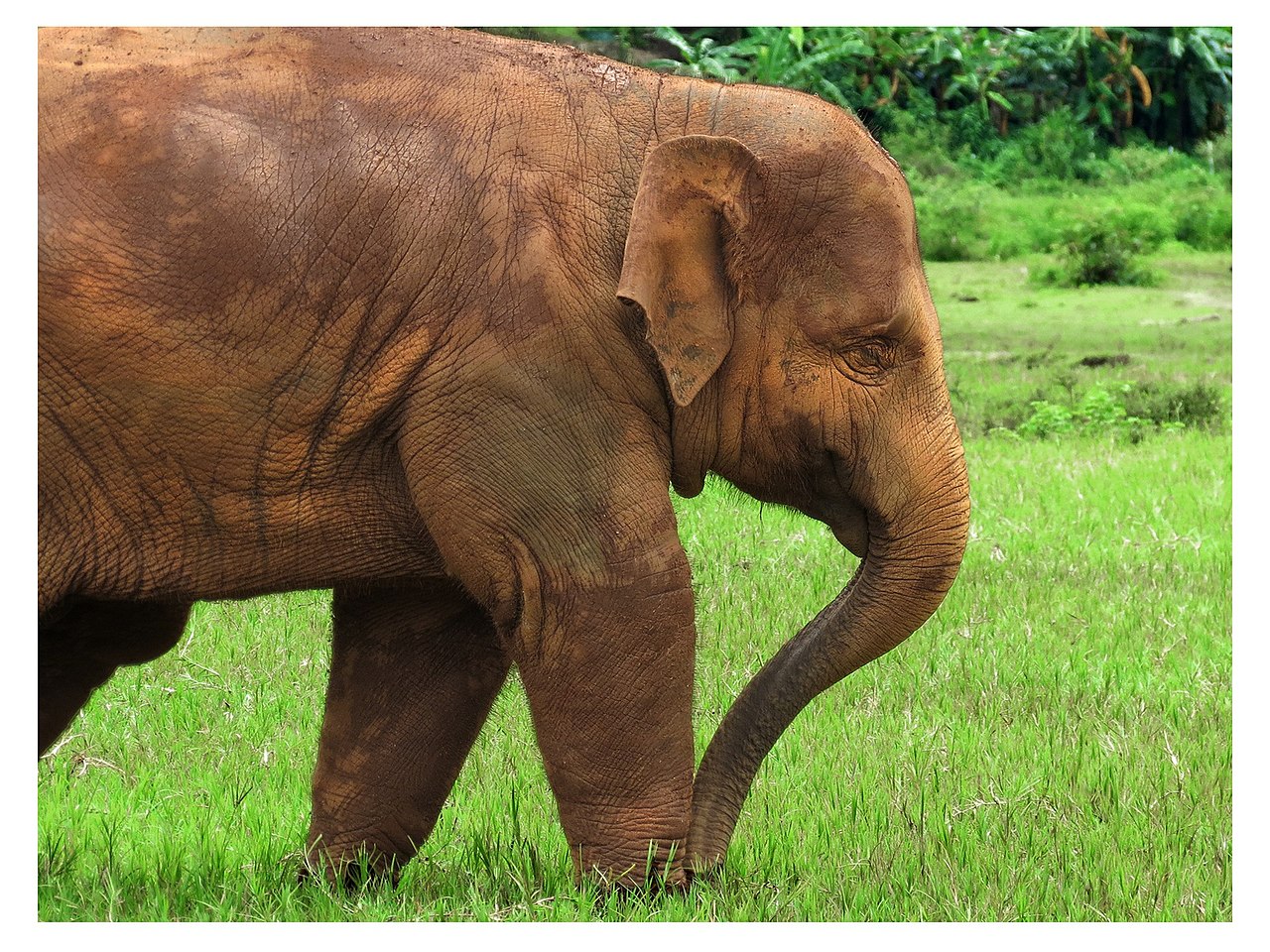
Elephants roaming at an ethical sanctuary.© Chirstelle EL JAMALI · CC BY 4.0 
Golden Doi Suthep above Chiang Mai.© Jakub Hałun · CC BY-SA 4.0 Spend the morning at an ethical elephant sanctuary, feeding and walking alongside rescued elephants (never riding them). In the afternoon, wind up the mountain to Wat Phra That Doi Suthep, a glittering golden temple with sweeping views over Chiang Mai.
Standing in a muddy river scrubbing a contented, rescued elephant — an animal that spent years working in tourism or logging — is the kind of travel moment that stays with you. Up at Doi Suthep, the golden chedi blazing in the afternoon sun is a fitting reward.
Our take
Choose your sanctuary carefully: book a no-riding, ethical project with good reviews. Avoid anywhere offering elephant rides or circus-style “shows”.
Highlights
- ✦ Ethical elephant sanctuary
- ✦ Wat Phra That Doi Suthep
- 6

Pad Thai, the national stir-fry.© Kgbo · CC BY-SA 4.0 Chiang Mai's buzzing night market.© Takeaway · CC BY-SA 4.0 Take a Thai cooking class — most include a market tour and you’ll never look at pad thai the same way again. Spend the afternoon among Chiang Mai’s craft villages and cafés, then graze one last buzzing night market for dinner.
There’s real joy in a Chiang Mai cooking class: you pound your own curry paste, fry your own pad thai over a roaring wok, and then sit down to eat the whole spread you just made. Suddenly Thai food makes sense from the inside.
Our take
Book a small-group cooking class with a market visit — it’s one of the best-value half-days in Thailand. Go hungry; you’ll cook (and eat) four or five dishes.
Highlights
- ✦ Thai cooking class
- ✦ Sunday Walking Street
- 7

Laa gòn… already dreaming of the next trip.© Shocksingularity · CC0 Getting there: Fly home from Chiang Mai, or connect via Bangkok
Use the morning for a final temple, a foot massage and a last bowl of northern khao soi, then head to the airport. Still hungry for Thailand? The 15-day route keeps going — south, to the islands and beaches.
You’ll fly out already planning the return — the islands you didn’t reach, the markets you didn’t finish, the country that somehow felt both wildly foreign and instantly easy. Thailand has a way of pulling people back.
Our take
Spend your last baht at a market on snacks for the flight, and learn to say “kòp kun kâ/kráp” (thank you) — a tiny effort that gets you a huge smile everywhere.
Highlights
- ✦ Last bowl of khao soi
- ✦ Fly home from Chiang Mai
Where to stay
The best neighbourhood to base yourself in each area, by budget. We point you to the right zone — then you pick and book the place that fits.
Bangkok
- Backpacker · Khao San / Rambuttri
- The legendary backpacker zone — hostels, street food and nightlife.
- Mid-range · Sukhumvit (Asok / Nana)
- Modern hotels on the BTS skytrain — easy to get around.
- Comfort · Riverside / Silom
- Five-star riverside hotels with rooftop bars and skyline views.
Chiang Mai
- Backpacker · Old City
- Inside the moat — hostels, temples and markets all on foot.
- Mid-range · Nimmanhaemin (Nimman)
- Trendy café-and-design district, popular with nomads.
- Comfort · Riverside (Ping River)
- Resorts and boutique hotels along the river, calm and green.
Pai
- Backpacker · Walking Street
- Cheap bamboo bungalows in the heart of the little town.
- Mid-range · Riverside
- Bungalows by the Pai River, a short walk or cycle from town.
- Comfort · Hillside resorts
- Boutique resorts in the hills with valley and rice-field views.
Krabi (Ao Nang)
- Backpacker · Ao Nang town / Railay East
- Budget rooms in town; Railay East is the cheaper side of the cliffs.
- Mid-range · Ao Nang beachfront
- Beachfront hotels with longtail boats to the islands from the door.
- Comfort · Railay / Tubkaek
- Luxury beach resorts among the limestone karsts, reached by boat.
Koh Phi Phi
- Backpacker · Tonsai village
- Hostels and party bars in the busy heart of the island.
- Mid-range · Tonsai Bay
- Bayfront hotels a short walk from the pier and beaches.
- Comfort · Laem Tong / secluded bays
- Quiet resorts on the island’s far beaches, reached by boat.
Koh Lanta
- Backpacker · Long Beach (Phra Ae)
- Backpacker bungalows and beach bars on a long stretch of sand.
- Mid-range · Klong Khong / Klong Nin
- Relaxed mid-beaches with a chilled, hammock-and-sunset vibe.
- Comfort · Kantiang Bay
- Upscale resorts on a gorgeous bay in the quiet south of the island.
Khao Sok
- Backpacker · Park entrance village
- Cheap guesthouses near the trailheads and tour offices.
- Mid-range · Jungle bungalows
- Treehouse-style bungalows in the rainforest by the river.
- Comfort · Cheow Lan Lake
- Floating raft-house bungalows on the lake — the unforgettable splurge.
We may earn a commission from bookings made through these links, at no extra cost to you.
At a glance
Best time to go
The cool, dry season (November–February) is the most comfortable and the peak time to visit. March–May is very hot; June–October is the rainy monsoon — lush, cheap and quieter, with short heavy downpours rather than all-day rain. Note the islands differ by coast (see seasons below).
Currency
THB (฿)
Language
Thai. English is widely spoken in tourist areas and on the islands, less so in the countryside — a translation app and a smile go a long way.
Visa & entry
Citizens of many countries (EU, UK, US and more) can enter visa-exempt for tourism (commonly 30–60 days, recently extended for many nationalities). A digital arrival card may be required. Always confirm current rules for your nationality before you fly.
Daily budget
Thailand is wonderfully affordable. Mid-range travellers should plan roughly €40–90 per person per day including accommodation, food, transport and the odd tour; you can go far lower with hostels and street food. Figures are approximate.
Getting around
Cheap domestic flights (AirAsia, Nok, Thai Lion) link Bangkok, Chiang Mai and the south in an hour; overnight trains and buses are a budget classic. Ferries and longtail boats serve the islands. In Bangkok use the BTS Skytrain/MRT; elsewhere the Grab app, metered taxis and (haggled) tuk-tuks.
Safety
Thailand is very safe and easy, even for first-time or solo travellers. The real risks are scams (gem shops, jet-ski “damage” deposits, tuk-tuk overcharging) and, above all, motorbike accidents — rent one only if you’re experienced and always wear a helmet.
Connectivity
A cheap local SIM (AIS, TrueMove, dtac) or a travel eSIM gives you fast, cheap data almost everywhere, even on the islands. Wi-Fi is common in cafés and hotels.
What to pack — Thailand
Our recommended gear for this trip — country-specific picks first, then the travel essentials we never leave home without.
- 🧴Reef-safe sunscreen→
- 🦟Mosquito repellent→
- 🩴Travel sandals→
- 🔌Universal travel adapter→
- 🧳Packing cubes→
- 🔋Power bank→
- 🎒Packable daypack→
- 💧Filtered water bottle→
- ⛑️Travel first-aid kit→
Amazon affiliate links — we may earn a small commission at no extra cost to you.
Frequently asked questions
When is the best time to visit Thailand? +
The cool, dry season from November to February is the most comfortable and the peak time. March–May is very hot; June–October is the green, cheaper rainy season. Note the islands differ by coast — see the planner’s seasonal tips.
Is Thailand good for first-time or solo travellers? +
Yes — it’s one of the easiest, friendliest and best-value countries in Asia, with great transport and lots of other travellers. Just watch out for common scams and be careful on motorbikes, the main real risk.
Andaman or Gulf islands — which side? +
They have opposite weather. The Andaman coast (Krabi, Phi Phi, Koh Lanta, Phuket) is best roughly November–April; the Gulf islands (Koh Samui, Phangan, Tao) are often drier from around February to September. Match the coast to your travel dates.
Sources
Last reviewed on June 2, 2026Facts in this guide were checked against the following sources.
- Tourism Authority of Thailand (official) — Destinations, seasons and travel info
- Thai e-Visa & entry (Ministry of Foreign Affairs) — Visa & entry requirements
- DNP — Thailand national parks — National parks (Khao Sok, Erawan, Mu Ko Lanta)
- UNESCO World Heritage — Thailand — Heritage sites (Ayutthaya, Sukhothai)
⚠️ Prices, opening hours and transport times change — always verify the latest details before you travel.
Keep exploring
More day-by-day itineraries to inspire your next trip.

Japan
Neon cities, ancient temples and bullet trains — the perfect first trip to Asia.

Vietnam
Limestone bays, lantern-lit towns, terraced mountains and the food of your life.

Indonesia
Smoking volcanoes, rice-terrace temples, turquoise islands and dragons.

China
The Great Wall, the Terracotta Army, pandas, karst rivers and neon Shanghai.
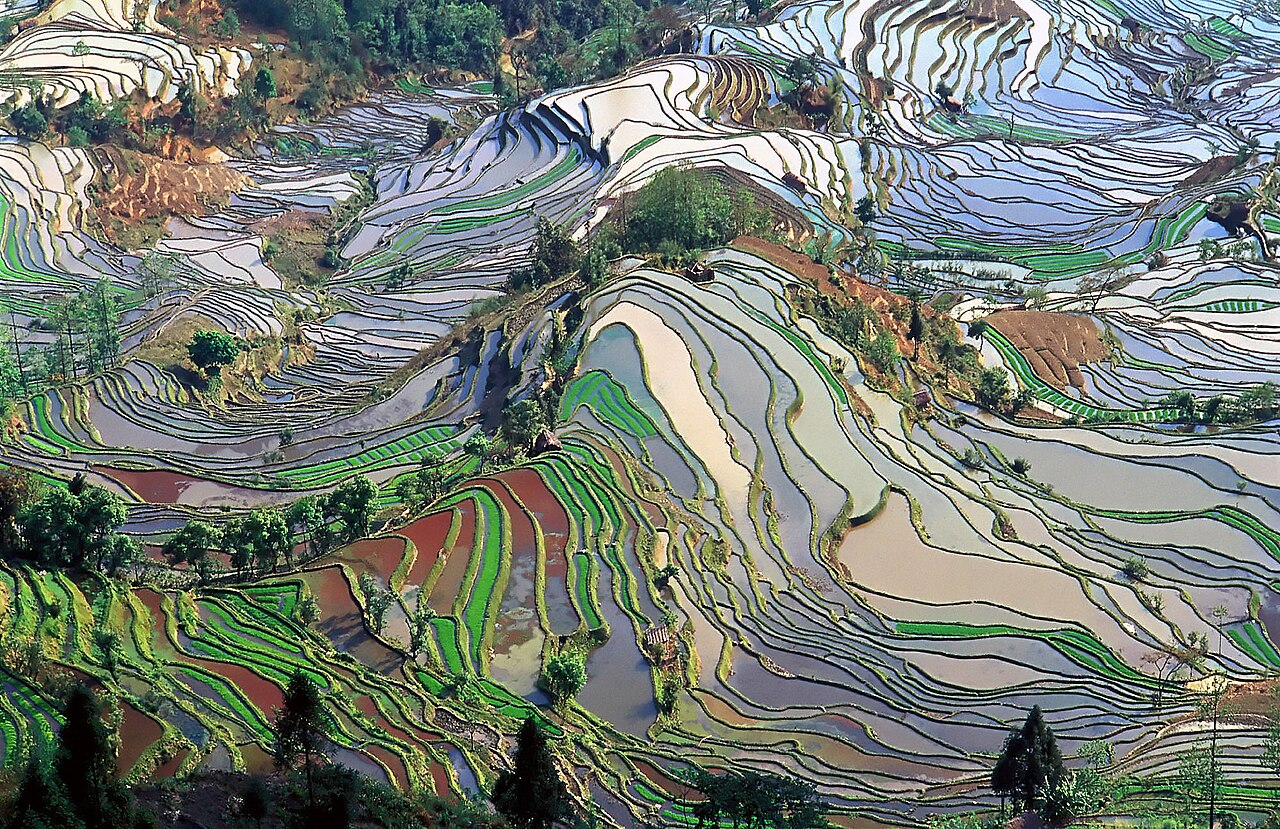
Yunnan, China
Rice-terrace mountains, old Naxi towns, snow peaks and the edge of Tibet.

India
The Taj Mahal, Rajasthan's forts and palaces, holy lakes and the green calm of Kerala.